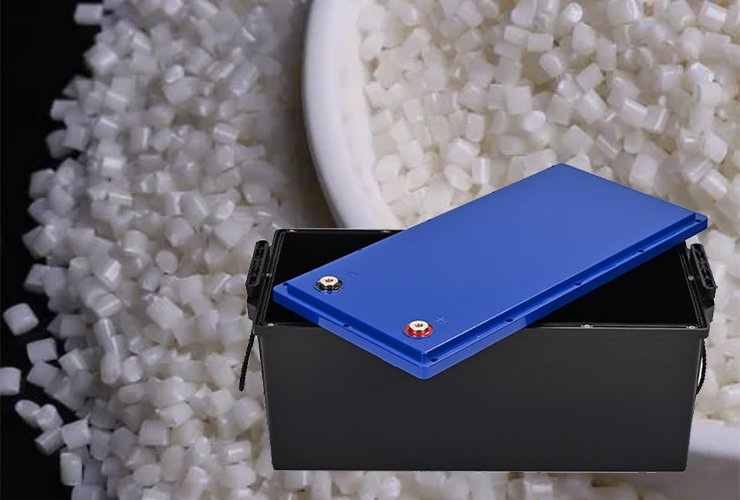
When choosing between plastic and aluminum for battery boxes, the decision depends on weight, durability, safety, cost, and specific application requirements. Here’s a breakdown of the advantages and disadvantages of both materials for battery enclosures:
Plastic Battery Boxes
Advantages:
- Lightweight: Plastic is much lighter than aluminum, making it easier to handle and transport, especially when the battery box is large or when weight is a significant concern (e.g., in portable applications).
- Corrosion Resistance: Plastic is naturally resistant to corrosion, so it will not rust or degrade when exposed to moisture or chemicals, making it ideal for applications in humid or wet environments.
- Electrical Insulation: Plastic provides natural electrical insulation, which helps protect the battery and its surroundings from short circuits and electrical interference and minimizes the risk of electrical shock.
- Cost-Effective: Plastic is generally less expensive than aluminum, making plastic boxes a more economical choice, especially in large production runs or low-cost applications.
- Moldability and Customization: Plastic is easy to mold into custom shapes, making it suitable for unique or complex designs and configurations. It can also be molded with integrated clips, handles, or mounting features.
Disadvantages:
- Lower Strength and Durability: Plastic is less durable than aluminum and can crack, break, or deform under stress, high impacts, or extreme temperatures. This can be a concern in harsh or rugged environments.
- Heat Sensitivity: Plastics can warp or melt under high temperatures, which can be an issue for battery boxes in high-power applications where heat dissipation is a concern.
- UV Degradation: Some plastics can degrade when exposed to ultraviolet (UV) light for extended periods, which can weaken the material and cause brittleness if the box is used outdoors.
- Flammability: Certain types of plastic may be more flammable than aluminum, which could pose a safety risk if the battery box is exposed to fire or high heat.
Aluminum Battery Boxes
Advantages:
- Strength and Durability: Aluminum is much stronger than plastic, offering superior protection against physical damage, impacts, and stresses. This makes it ideal for heavy-duty applications or environments with a risk of mechanical damage.
- Heat Dissipation: Aluminum is an excellent conductor of heat, which means it can help dissipate heat more effectively than plastic. This is particularly important for high-power or high-energy batteries, where heat management is crucial.
- Corrosion Resistance: Aluminum is naturally resistant to corrosion, especially when anodized or treated. It is more resistant to rust and degradation compared to other metals, making it suitable for outdoor or marine environments.
- Safety: Aluminum is non-flammable and can withstand higher temperatures than plastic. In case of a short circuit, thermal runaway, or fire hazard, aluminum provides better safety.
- Longevity: Aluminum battery boxes tend to have a longer lifespan due to their strength and resistance to wear and tear. They can handle more challenging conditions without degrading.
Disadvantages:
- Weight: Aluminum is heavier than plastic, which can add unnecessary weight, especially for portable battery applications or systems where weight is critical (e.g., electric vehicles, drones, or portable power stations).
- Cost: Aluminum is typically more expensive than plastic, both in terms of raw materials and manufacturing processes (e.g., die-casting or extrusion). This can increase the overall cost of the battery box.
- Electrical Conductivity: While aluminum offers great thermal conductivity, it can also conduct electricity, which could pose a safety risk in some cases. Additional insulation may be required to prevent short circuits or electrical hazards.
- Manufacturing Complexity: While aluminum can be molded or machined into various shapes, the process is generally more complex and costlier than molding plastic. This can affect production lead time and customization options.
Summary of Use Cases:
- Plastic Battery Boxes: Best for low-cost, lightweight applications where corrosion resistance and electrical insulation are priorities. Ideal for smaller or less demanding battery systems (e.g., consumer electronics, smaller portable devices, or less power-intensive applications).
- Aluminum Battery Boxes: Best for heavy-duty applications, higher-power battery systems, or where heat dissipation and durability are crucial (e.g., electric vehicles, high-performance power tools, or off-grid energy storage systems). Also ideal for outdoor or rugged environments.
Key Considerations:
- For High-Power Applications: If the battery box will be exposed to high temperatures or high-energy output (such as electric vehicles or industrial power systems), aluminum is generally preferred for its heat dissipation and durability.
- For Lightweight, Cost-Effective, and Corrosion-Resistant Applications: Plastic is a better choice for portable, low-cost battery enclosures, especially when electrical insulation and weight savings are priorities.
The decision ultimately depends on your specific needs, such as the size and type of battery, environmental factors, safety requirements, and cost constraints.
Skya Power is a plastic battery box supplier in China. Contact us for custom or production.