
Bestselling E-bike Battery Cases with Nickel Strip/BMS
International Door-to-door Delivery can be arranged within 3 days!


E-bike Battery Cases Parts for Options
Empty Case/Box
Empty box for the electric bicycle battery pack, different sizes to support different capacity/power lithium battery packs. Normally for 36V 48V 52V lithium batteries 18650 21700 38650 packs.


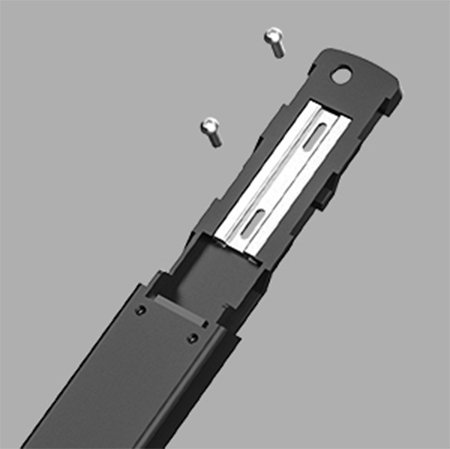
Fixing Bracket / Bottom Plate
This is the mounting plate for the e-bike battery pack on the electric bicycle. A common design for the different series of e-bike battery cases, 4pin or 5pin design.
Isibambi Seseli Yebhethri
Special customized plastic battery cell holder based on the e-bike battery case shape and battery cell quantity. It’s designed to fully use the e-bike battery case inner size and hold the battery cells max.


I-Welding Nickel Strip
Specially customized welding nickel strips based on the e-bike battery cell permutations and battery pack working current. The thickness is different based on different applications.
Ibhethri BMS
Special customized BMS based on the e-bike battery pack specification and the electric bicycle usage. It required suitable charging/discharging design, and sometime with switch/balance function as well.

Skya Power is Your Best Supplier In China



Some Knowledge about E-bike Battery


All About E-bike Battery Cases
What is an E-bike Battery Case?
An e-bike battery case is a protective enclosure for the battery pack of an electric bicycle (e-bike). The case is designed to hold and protect the battery pack, which typically consists of lithium-ion cells arranged in a specific configuration to provide the necessary power to the e-bike’s motor.
The case is often made of durable materials such as plastic or aluminum and is typically designed to be water-resistant to protect the battery pack from the elements. Some e-bike battery cases may include additional features such as a built-in handle or shoulder strap for easy carrying, or a built-in charging port to charge the battery pack without removing it from the case.
What is e-bike battery case function?
The primary function of an e-bike battery case is to protect the battery pack from damage and the elements. This includes protecting the battery pack from water, uthuli, dirt, and other contaminants that could damage the battery cells inside or interfere with their operation. An e-bike battery case can also provide some impact protection, helping to prevent damage to the battery pack if it is dropped or subjected to other mechanical stress. In addition to protecting the battery pack, an e-bike battery case may also serve other functions, njenge:
1- A built-in handle or shoulder strap to make it easy to carry the battery pack when it is not in use.
2- A built-in charging port or a sealable opening to allow for charging the battery pack without removing it from the case.
3- Other storage compartments or pockets that can be used to store small items such as tools or spare parts.
4- An eye toward aesthetics and may be available in various colors or styles to complement the appearance of the e-bike.
How to mount the Downtube Ebike Battery Case?


Isinyathelo 1: Select where you want to mount your e-bike battery and drill a few holes in the bike frame according to the sliding mount plate size.
Isinyathelo 2: Insert rivet nuts, tighten them, and fit the sliding mount plate to the bike frame.
Isinyathelo 3: Mount the e-bike battery pack onto the sliding mount plate.
What are the e-bike battery case materials?
Ebike battery cases are typically made of one of the following materials:
-Thambile esandleni: Plastic is a common material for e-bike battery cases because it is lightweight, durable, and inexpensive. It can be molded into a variety of shapes and sizes and can be made to be water-resistant or waterproof.
Aluminiyamu: Aluminum is another common material for e-bike battery cases because it is strong, engasindi, and corrosion-resistant. It is often used for hard cases that are designed to offer the maximum level of protection for the battery pack.
Nylon: Nylon is a synthetic material that is often used for soft e-bike battery cases because it is lightweight, durable, and resistant to abrasions and tears. It is often used in combination with other materials such as neoprene to provide additional protection and support.
Neoprene: Neoprene is a synthetic rubber material that is often used in combination with other materials such as nylon to make soft e-bike battery cases. It is known for its excellent resistance to water, oil, and weathering, and is often used to make cases that are water-resistant or waterproof.
What are the e-bike battery case types?
There are a few different types of e-bike battery cases that are commonly used:
1- Hard cases: These are made of hard materials such as plastic or aluminum, and are designed to offer the maximum level of protection for the battery pack. They are often water-resistant and can withstand impacts, making them a good choice for use in rugged or wet environments.
2- Soft cases: These are made of softer materials such as nylon or neoprene, and are designed to offer some level of protection for the battery pack while still being lightweight and portable. They are typically not as rugged as hard cases but are more convenient to carry around.
3- Waterproof cases: These are designed specifically to protect the battery pack from water, and are often made of hard materials such as plastic or aluminum. They may include additional features such as a built-in charging port or a sealable opening to prevent water from entering the case.
4- Custom cases: Some e-bike battery cases are designed specifically for use with a particular make or model of an e-bike, and may include custom features such as a built-in charging port or a custom mounting system. These cases may be made of hard or soft materials, depending on the specific needs of the e-bike.
How to choose the right e-bike battery case?
Here are a few tips to help you choose the right e-bike battery case:
1- Consider the size of your battery pack: Make sure to choose a case that is the right size for your battery pack. If the case is too small, it will not provide sufficient protection for the battery pack. If the case is too large, it may be cumbersome to carry and may not fit in the designated storage area on your e-bike.
2- Consider the level of protection you need: If you plan to use your e-bike in rough or wet conditions, you may want to choose a hard case or a waterproof case to provide maximum protection for the battery pack. If you only need basic protection and portability, a soft case may be sufficient.
3- Consider any additional features you may need: Some e-bike battery cases include additional features such as a built-in charging port, a built-in handle or shoulder strap, or additional storage compartments. Consider which of these features may be useful to you and choose a case that includes them.
4- Consider the price: Ebike battery cases can range in price from under $10 to over $100, depending on the material, usayizi, and features. Consider your budget and choose a case that provides the level of protection and features you need at a price you can afford.