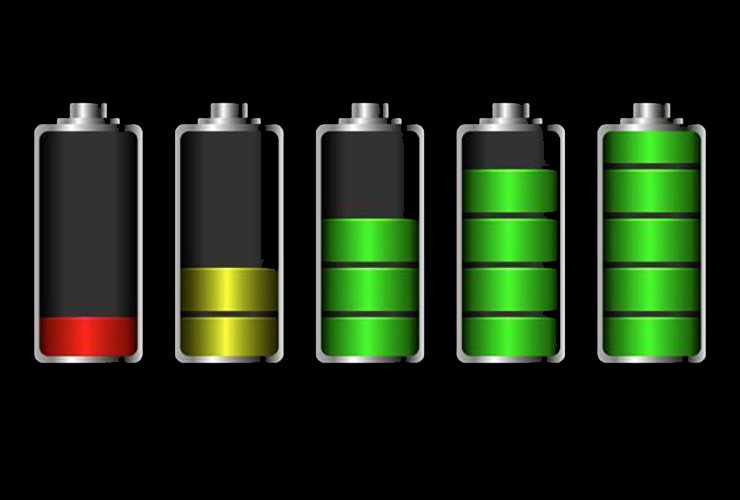
Lityum iyon pil paketinde, hücrelerin tutarlılığı özellikle önemlidir.
Açıklamaya kova efektinden alıntı yaparak başlayalım, daha açık ve anlaşılır olmasını sağlamak.
Kova etkisinin temel içeriği, bir kovanın tutabileceği su miktarının en uzun parçaya bağlı olmamasıdır., ama kovanın en kısa odun parçasında.
Lityum pil takımının su içeren bir kova olduğunu varsayalım, o zaman pil takımını oluşturan lityum pil hücresi, kovayı oluşturan tahtaya benzer, Böylece, en kötü performansa sahip hücre, tüm lityum pil takımının genel performansını belirler.

Öyleyse, lityum iyon pilin hücre tutarlılığı zayıfsa, kapasite gibi performans, çevrim ömrü, ve şarj-deşarj özellikleri belli ölçüde etkilenecektir.. Lityum pil paketlerinde kullanılan şarj ve deşarj sayısı arttıkça, bu kötü performans da artacak.
Bu nasıl oluyor?? Bunun mantığı nedir? Aşağıda açıklayalım:
Hepimiz BMS'nin çoğu lityum pil paketinde koruma için kullanıldığını biliyoruz.. BMS, lityum iyon hücrelerini güvenli ve güvenilir bir voltaj aralığında şarj ve deşarjdan korumak için tek hücreli aşırı şarj ve tek hücreli aşırı deşarj korumasına sahiptir.. Tek hücre aşırı şarj edildiğinde veya aşırı deşarj olduğunda, performans ömrünü etkileyecek ve hatta güvenlik tehlikelerine neden olacaktır.
Pil hücresi c nasıl çalışır?ısrarcılık etkilemek Pil Paketi sırasında deşarjing?
Üçlü lityum pil, 2,5V'luk tek bir deşarj kesme voltajına sahiptir, ve BMS genellikle tek hücreli aşırı deşarj korumasını 2,8V'a ayarlar. Lityum pil BMS'nin koruma yönetimi mekanizması, lityum pil paketindeki herhangi bir pil serisinin voltajının 2,8V'a ulaşmasıdır., aşırı deşarj koruması açılacaktır, deşarj MOS tüpü veya rölesinin bağlantısı kesilecek, tüm pil takımının şarjının durmasına neden oluyor.
Üçlü lityum pil paketini alın 10 seri halinde ve 1 örnek olarak paralel olarak.
10 adet üçlü lityum pil hücresi arasında olduğunu varsayalım, en düşük kapasiteye sahip olan 2000mAh, diğeri ise 9 pil hücreleri 2500mAh kapasiteye sahiptir. Lityum pil takımının şarjı bittiğinde, the 10 Hücreler aynı anda boşalıyor, ve kapasite azaldıkça hücrelerin voltajı azalır.
Daha düşük kapasiteli 2000mAh hücre boşaldığında, hücre voltajı 2,8V'a ulaşacak, diğeri ise 9 Pil paketindeki hücrelerin kapasitesi hala 2500mAh'tır ve voltaj 3,0V'un üzerindedir. BMS, pil takımının 2,8V'a ulaşan bir dizi voltaja sahip olduğunu algılayacaktır., aşırı deşarj koruması açık, ve tüm pil takımının şarjı durur.
Bu, tüm pil takımı için yalnızca 2000 mAh deşarj kapasitesiyle sonuçlanır.
Pil hücresi c nasıl çalışır?ısrarcılık etkilemek Pil Paketi sırasında şarjing?
Etki boşaltma sırasındakine benzer
Üçlü lityum pil hücresinin tam voltajı 4,2V'dur, ve lityum pil takımının BMS'si tekli aşırı şarj korumasını 4,25V'a ayarlar. Kapasite arttıkça pil hücresinin voltajı da artar.
2000mAh'den daha düşük kapasiteli bir pil tamamen şarj olduğunda, akü voltajı 4,25V'a ulaşır, ve diğeri 9 hücreler tam şarjlı değil ve voltaj 4,1V'un altında, ancak BMS 4,25V'tan yüksek bir dizi voltaj tespit ettiğinde, pil paketinin aşırı şarj korumasını başlatır, pil takımının tamamı şarj olmayı durduruyor.
Bu, pil takımının yalnızca 2000mAh şarj edebilmesine neden olur, 2500mAh değil.
Kova etkisinin lityum pil takımına etkisi budur, yani en düşük kapasiteye sahip hücre, tüm lityum pil paketinin şarj kapasitesini ve deşarj kapasitesini belirler.
Pil hücrelerinin zayıf tutarlılığının aynı etkisi pil takımı çevrim ömründe de olur.
Pil paketindeki en kötü çevrim ömrüne sahip lityum pil hücresi, lityum pil paketinin genel performansını belirler.

Pil takımının tutarlılığı nasıl kontrol edilir?
Lityum pil paketlerinin tutarlılığı açık devre voltajını da içerir, kapasite, ve iç direnç. Daha derinden, aynı zamanda K değerini de içerir (kendi kendine deşarj oranı), çevrim ömrü, şarj ve deşarj özellikleri, vesaire.
Lityum pil takımı monte edilmeden önce, hücreler sıralanacak ve birleştirilecek. Eşleştirme standardı genellikle: pil kapasitesi farkı kontrol edilir 1%; voltaj farkı 3mV dahilinde; iç direnç farkı 2mΩ dahilindedir.
K değerine gelince, çevrim ömrü, ve şarj-deşarj özellikleri, bu tutarlılık faktörlerinin pil hücresi üreticilerinin/fabrikalarının kaynağında kontrol edilmesi gerekir. Temel seri üretimin standardizasyonu, otomatik kontrol, vesaire.